PEER-TO-PEER NETWORK EXPLAINED

Peer-to-peer, or P2P in its abbreviated form, refers to computer networks using a distributed architecture. In P2P networks, all the computers and devices that are part of them are referred to as peers, and they share and exchange workloads. Each peer in a peer-to-peer network is equal to the other peers. There are no privileged peers, and there is no primary administrator device in the centre of the network.

In a way, peer-to-peer networks are the most egalitarian networks in the computer world. Each peer is equal to the others, and each peer has the same rights and duties as the others. Peers are both clients and servers at the same time.

In fact, every resource and each asset that’s available in a peer-to-peer network is shared among peers, without any central server being involved. The shared resources in a P2P network can be things such as processor usage, disk storage capacity, or network bandwidth.

History of P2P (peer-to-peer) networks

The precursor of peer-to-peer networks appears to be USENET, which was developed in 1979. It was a system that allowed users to read and post messages/news. It was a network system similar to the online forums today, but with the difference that USENET did not rely on a central server or administrator. USENET copied the same message/news to all the servers found in the network. Similarly, peer-to-peer networks distribute and use all the resources available to them.

The next big thing in the history of P2P was the year 1999 when Napster came to life. Napster was file-sharing software that was used by people to distribute and download music. The music shared on Napster was usually copyrighted and thus illegal to distribute. However, that did not stop people from getting it. Although Napster was the one that got P2P into the mainstream, Napster ultimately failed and was shut down by authorities because of all the content that was shared illegally on it. Nowadays, P2P remains one of the most popular technologies for sharing files over the internet, both lawfully and unlawfully.

What is P2P used for?

The primary goal of peer-to-peer networks is to share resources and help computers and devices work collaboratively, provide specific services, or execute specific tasks. As mentioned earlier, P2P is used to share all kinds of computing resources such as processing power, network bandwidth, or disk storage space. However, the most common use case for peer-to-peer networks is the sharing of files on the internet. Peer-to-peer networks are ideal for file sharing because they allow the computers connected to them to receive files and send files simultaneously.

Example: you open your web browser and visit a website where you download a file. In this case, the website works as a server, and your computer acts as a client receiving the file. You can compare it to a one-way road: the file that you download is a car that goes from point A (the website) to point B (your computer).

When you download the same file from a peer-to-peer network, using a BitTorrent platform as a starting point, the download is performed differently. The file is downloaded to your computer in bits and parts that come from many other computers that also connected to the same P2P network and already have that file or at least parts of it. At the same time, the file is also sent (uploaded) from your computer to other devices that are asking for it. This situation is similar to a two-way road: the file is like multiple small cars coming to your PC, while also leaving to others when it is requested.

Source: Google.com

Why are peer-to-peer networks useful?

P2P networks have some characteristics that make them useful:

It’s hard to take them down. Even if one of the peers is shut down, the others are still operating and communicating. For a P2P (peer-to-peer) network to stop working, you have to close down all its peers.

Peer-to-peer networks are incredibly scalable. Adding new peers is easy as you don’t need to do any central configuration on a central server.

When it comes to file-sharing, the larger a peer-to-peer network is, the faster it is. Having the same file stored on many of the peers in a P2P network means that when someone needs to download it, the file is downloaded from multiple locations simultaneously.

Introduction To Cryptoeconomcs

We often see Bitcoin and other cryptocurrencies like the Wild West: no rules, no social norms, only greed, selfishness and mining. This professed lack of law and order makes the crypto world scary to many people. Nevertheless, in reality, there are rules that govern decentralized peer-to-peer (p2p) networks such as Bitcoin. These rules are coded into procedures and deliver the framework for how contributors of a network interact with each other. They help us create a secure, trustworthy and valuable system, just like laws deliver a framework for a better society. Cryptoeconomics asks the question of how we can design these rules and incentives, so that the networks stay secure and create value for everyone. Cryptoeconomics uses cryptographic tools, game theory and economic incentives to achieve this goal.

The Two Pillars of Cryptoeconomics

Cryptography: techniques that keep messages secure

Economic incentives: rules and rewards that encourage you to add value to the network

In this blog we will specifically be talking about the economic tools of Cryptoeconomics.

Economic tools are incentives that encourage and discourage certain behaviour amongst network participants.

The most basic economic tool is the use of tokens and consensus mechanisms.

Tokens

Tokens are exchangeable goods within the decentralized p2p network. The most famous token in the crypto world is Bitcoin.

Beyond Bitcoin, tokens can be exchanged for a variety of goods and services. For example, you can rent out your excess CPU/GPU cycles via the Golem Network and get paid by the GNT (Golem Network Token) as a reward for your service. The presence of tokens creates a shared value amongst network participants, which makes decentralized p2p networks more like separate economies or ecosystems.

Now let’s see how tokens are used to incentivize desirable behaviour in the Bitcoin network.

Block rewards

Let’s say you are a node that creates a new block to be included in the Bitcoin blockchain. You are rewarded for your work by being allowed to include a special transaction (coinbase transaction). This transaction allows you to send a block reward to your own address. Currently (June 2018) miners receive a block reward of 12.5 bitcoins.

You will only be able to reap the reward if the new block is accepted by the rest of the network. Other nodes express their acceptance by including your new block’s hash in the next block they create. This incentivizes them to only include blocks with valid transactions. Because you believe they won’t accept your new block if you include faulty transactions, you are incentivized to include only valid transactions if you want the block reward.

Transaction fees

As I mentioned above, the block reward for creating new blocks decreases at a set rate, which means that there is a finite amount of bitcoins. But what incentivizes participants to continue building the Bitcoin blockchain and to execute transactions if they don’t get rewarded by being able to mine new bitcoin? Simple: they receive transaction fees for each transaction they include in their block.

Transaction fees also disincentivize participants from slowing down the network by sending transactions from and to their own accounts.

Consensus Mechanisms

Participants in a decentralized p2p network need to agree — they need to reach consensus — about the state of the network and about what blocks and transactions to include on the blockchain. We need a mechanism that helps eliminate issues that arise from decentralization and the possible presence of adversaries.

A consensus mechanism is a protocol on top of the blockchain that takes each node’s proposed block as an input and selects a valid block as an output.

Let’s take a look at Bitcoin’s Proof-of-Work consensus mechanism. Simply put, miners must expend a great amount of computational power to prove they have “skin in the game” and then they are allowed to propose a new block. They expend this computational power by solving hash puzzles that are based on the properties of hash functions I’ve mentioned earlier. I’m not going to dive into the technical details of these hash puzzles but you can read more on pages 64–67 of the Princeton Bitcoin book. From a cryptoeconomics perspective, it is important to note that miners must expense fiat currency to buy computing power (nowadays in the form of highly specialized and high-performance ASIC chips). With that, they have expensed significant resources that they would lose if their block wouldn’t be included on the blockchain.

Another popular consensus mechanism is Proof-of-stake. Generally, this consensus mechanism works by having a set of validators take turns proposing and voting on the next block, and the weight of each validator’s vote depends on the size of their staked deposit. They lose their stake if the block is not included in the blockchain and are therefore incentivized to vote on blocks that include only valid transactions. If you want to read more about Proof-of-Stake, I suggest perusing the writings of Vlad Zamfir and Vitalik Buterin, who are championing PoS for Ethereum (which currently runs on PoW).

6 Reasons To Visit Cyprus

From hosting some of the world’s most historic sites to the vibrant Mediterranean culture, the many charms of Cyprus make it an irresistible destination. Here are 6 reasons why you need to include this warm island on your travel bucket list.

Seaside activities

Source: Google.com

Cyprus is known for its beautiful sandy beaches with clean waters — the European Environment Agency recognises Cyprus’s beaches as the cleanest in Europe. For swimming and other water sports, the island boasts over 40 official blue flag beaches. From each city, you can enjoy a part of the Mediterranean Sea, with the most expansive coastlines being Larnarca, Famagusta, Aiya Napa, Kyrenia, Limassol and Paphos.

Weather

Source: Google.com

Cyprus enjoys mild winters, longer summers and short autumn and spring periods. This typical Mediterranean climate is attractive, especially to Europeans wishing to escape bad weather in their home countries. There are generally at least six hours of bright sunshine every day, even in the middle of winter, giving visitors a truly pleasant climate all year round.

The Food

Source: Google.com

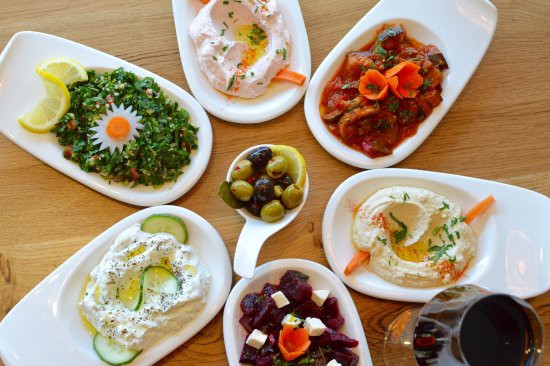
Food in Cyprus is situated at the crossroads of three continents — as a result, its cuisine is a mixture and refinement of a variety of Southern European, Middle Eastern, and Central Asian influences. Locals are known to love vegetables, and this is reflected in the number of vegetable dishes served — whether fried or eaten raw, served cold in cream or with yogurt, or first dried and then cooked, the choice is yours. For a truly local experience, try the much-loved traditional meat or vegetable wraps fillings such as dürüm (Turkish wrap). A holiday in Cyprus wouldn’t be complete without the traditional sweets. Both the Turkish Cypriots and the Greek Cypriots delight in making desserts by dipping a string of walnuts or almonds into fruit juice — mostly grape — with honey, before then being left to dry in the sun. These and other easy-to-make syrupy sweets are often served with coffee or tea.

Laidback Lifestyle

With the world becoming increasingly impatient, stress-filled and anxious, we all need to take a moment to relax and enjoy life. Cyprus offers you once in-a-lifetime carefree and slow-paced days to enjoy long walks by the beach, or to take a ride through the mountains or forests surrounded by flowers and plants.

Great for Nature lovers

Source: Google.com

If you care about Mother Nature, you can enjoy agro-tourism holidays in the heart of Cyprus. Agro-tourism holiday options offer visitors a chance to enjoy the Cypriot culture and rural life like a local. You are free to try your hand at bread making, olive picking or milking the sheep among numerous other activities. If you wish, you can also learn a craft or observe locals as they create artefacts from scratch.

You Can Cover The Island Within A Short Time

Cyprus is relatively a small island — most distances from one city to another can be covered by car, giving visitors the chance to see the island in a short time. How would you like waking up to a traditional Turkish Cypriot breakfast in North Cyprus, devouring lunch at one of the border towns after a visit to theWalls of Nicosia, then later on, enjoying the evening sea-breeze from your beach hammock overlooking the extensive Mediterranean Sea in South Cyprus as you wait for your fresh fish to bake? It’s all possible here. Cyprus, also known as the playground of the gods in mythology, is a land of plenty. Her people are warm, and their friendliness rubs off on visitors. The sun shines almost every day of the year, and the beautiful sandy beaches with clean waters makes it a perfect destination. Moreover, there is a variety of unique and healthy cuisines to pick from.

Use XcelToken Plus on XcelTrip to travel to Cyprus and make memories that lasts a lifetime, if you like our content make sure to follow us on Instagram, for more travel inspiration.

Celebrate Christmas In Malta

Christmas is very important to the people of Malta and its sister Island of Gozo. Most people on Malta are Catholics and go to Midnight Mass Service. Usually the churches are full with people.

In Maltese Happy/Merry Christmas is ‘Il-Milied it-Tajjeb’. Happy/Merry Christmas in lots more languages.

The Churches are decorated with lights and nativity cribs, ‘Presepju’, built by the church go-ers. The cribs are decorated with figurines, called ‘pasutri’ (representing figures like the shepherds and angels). Today some of the cribs are mechanical and the figures in them move! The figure of the baby Jesus is put on the main altar at midnight on Christmas night. At Epiphany it is traditional to put the three figures of the Magi (Wise Men) in the crib. There is a group on Malta called ‘Friends of the Crib’ who help to keep the Maltese crib tradition alive.

Cribs were first introduced into Malta from Italy by rich noblemen. They were not popular at first and most were burnt. The first true Maltese crib is believed to have been made in Malta in 1617 and was displayed in the Domenican Friars Church in Rabat. In St Peter’s Monastery in Mdina, there is a crib dating back to 1670. This is treasured and looked after by the Benedictine Nuns who live in the monastery. At about the same time, another Maltese man made a crib with moving parts powered by water! As cribs became more popular they also became more ‘Maltese’ with people replacing the Italian looking buildings and trades people with local ones. (Flour windmills were and are still popular buildings to feature in a crib scene.) The first imported Italian ‘pasturi’ were very expensive and most people couldn’t afford them. So people started making their own ‘pasturi’ from rough clay and plaster. Some of these figures still exist today. (Modern pasturi are now often made of plastic.)

Source: Google.com

By the early to mid 20th century, cribs were thought of as old fashioned and not very popular anymore. To stop the decline of Christmas, in 1907, a priest called George Preca founded a children’s charity and society called ‘MUSEUM’. In 1921 he started a tradition of having a Christmas Eve procession with a life size figure of the Baby Jesus being carried at the head of the procession.

At sunset on Christmas Eve in 1921, Fra Diegu Street in the town of Hamrun was crowded with children and adults ready to take part in the first procession. In those days, street lighting was very poor in Malta and so many people brought lanterns with them to help them see their way during the procession and to shed light on the statue of Baby Jesus carried shoulder-high by four boys. The different types of lamps included, gas powered bicycle headlamps, oil lamps used on farmers carts, colored paper lanterns, Venetian lights, palm fronds and olive branches. The idea became very popular with people of all ages and so the very special Maltese traditional started. These processions are still popular today and form part of the Christmas Eve celebrations.

In 1986 the ‘Friends of the Crib’ society was formed and now they have over 500 members. Every year, in the weeks running up to Christmas, the Friends put on a exhibition of about 100 cribs of all shapes and sizes.

Maltese houses are often also decorated with cribs with ‘pasturi’ (which are small plastic or clay figures representing figures like the shepherds and angels). Large figures of the baby Jesus are sometimes put behind windows or in balconies and lit at night. Houses are also decorated with Christmas wreaths, candles and all sorts of other decorations. Every household also has a Christmas Tree decorated with light bulbs, tinsel and Christmas decorations.

It is traditional to sow wheat, grain and canary seed, ‘gulbiena’, on cotton buds in flat pans five weeks before Christmas. These are left in dark corners in the house until the seeds produce white grass-like shoots. The pans with the fully-grown shoots are then used to decorate the crib or the statue of Baby Jesus.

One Maltese Christmas tradition is the ‘Priedka tat-Tifel’ which means ‘the preaching of the child’. A boy or a girl, normally aged 7 to 10, does the preaching of the sermon at the midnight mass instead of the priest! The children learn the sermon by heart and start learning it four or five weeks before they preach on Christmas Eve. The parents are also very excited and nervous about the performance, as they would have helped the children to learn the sermon. The boy or girl tells the story of the birth of Jesus in Bethlehem and is encouraged to give their sermon a personal delivery which will touch the hearts of the church-goers.

George Sapiano delivered the first known Christmas Eve sermon by an altar boy in 1883, in the parish church of Luqa. It has also become common for local churches to organise a mini-pageant with children dressed up as shepherds, Joseph and Mary carrying a baby doll (representing Jesus) acting out the story of the Nativity. This re-enactment starts at 11pm and is followed by High Mass at midnight.

A popular Maltese carol is ‘ninni la tibkix izjed’. It means ‘sleep and cry no more’ and was written by the Jesuit Priest, Fr. Andrew Schembri (1774–1862) from Luqa for Maltese migrants in Tunis.

There is a village on Malta called ‘Siggiewi’ dedicated to St. Nicholas, who is also known as San Niklaw, of Bari in Italy and its feast is celebrated on the last Sunday of June.

Children on Malta get their presents from Santa Claus on Christmas night. Sometimes, Father Christmas comes knocking at doors early on Christmas night delivering presents!

Schools in Malta often hold a Christmas concert. Most of the children take part. It consists of Christmas Carols, plays with a Christmas theme, mimes and poetry recitals, etc. It is enjoyed by the children and teachers alike. Christmas parties are also often held in each class. Sometimes the children bring food which their parents prepare at home and it is shared with every one in their class. Gifts are exchanged and sometimes money is collected which is given to charity.

A concert and Christmas party is held every year at the Residential Home for the Disabled in Siggiewi. The residents take part in Christmas plays and carol singing helped by the people who work who work in the Home including Nuns. The Home is decorated and the atmosphere is great. The chapel is decorated with a beautiful crib with Baby Jesus. On Christmas Eve, a procession with the Baby Jesus is held and then Midnight Mass. Relatives of the residents also participate in the Christmas celebrations. Special food is prepared and the atmosphere is very happy!

Voluntary organisations also organise Carol Singing evenings in old people’s homes and hospitals, helping to cheer up the elderly and sick with the spirit of Christmas.

Under the patronage of the President of Malta, the Community Chest Fund sets up a tent in Freedom Square in the town of Valletta, where volunteers help to raise donations of cash. The donations are then distributed to charity organisations such as orphanages and other charities, which often rely on donations to continue their work in the community.

Maltese people have a wide range of food at Christmas. Traditionally, the Maltese house-wife kept the fattest capon/rooster, ‘hasi’, especially for Christmas Lunch, which was roasted at the local bakery in a casserole full of potatoes and vegetables. The traditional desert served at Christmas was the Treacle Ring, ‘Qaghqa tal-Ghasel’, and to finish it off, a hot Chestnut and Cocoa Soup, ‘Imbuljuta tal-Qastan’, which was and is served as a cosy night cap during the cold December days in Malta.

Source: Google.com

Today the traditional Maltese menu has made way for Christmas Turkey, Christmas Cakes, Christmas Puddings and Mince Pies, all inherited during 164 years of British rule (1800–1964) in Malta. Italian Panettone has also become a Christmas favorite.

Use XcelToken Plus on XcelTrip to celebrate Christmas in Malta and make memories that last a lifetime. If you like our content follow us onInstagram- Click Here!